



In 2016 the festival announced it was closing, stating:
“However over the years the funding landscape has become ever more competitive and despite achieving support from a range of valued sponsors and supporters it has become increasingly difficult to attract the level of funding necessary to stage the annual festival.”
President: The Rt Hon The Lord Mayor of London
Vice Presidents: The Right Reverend Graeme Knowles, The Dean of St Paul’s Sir Alan Traill GBE; QSO; MA; D Mus; Hon GSM
Chairman: Lady Brewer
Festival Director: Ian Ritchie
Directors: Charles Bean, Michael Bear, Esther Cavett, Tom Hoffman
Professor Barry Ife, Richard Kaye, Robin Linnecar, Jeremy Mayhew, Wendy Mead, James Olley, Phil Rivett, Mark Taylor, Andrew Tuckey
Graham White, David Wootton
Company Secretary: Julie Nicholls
About The Festival
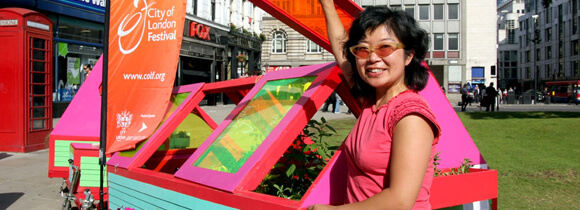
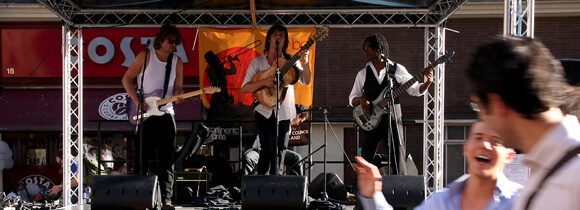
Each summer, the City of London Festival brings the City’s unique buildings and outdoor spaces to life with an extensive artistic programme of music, visual arts, film, walks and talks, much of it free to the public. Inaugurated in 1962 to revitalise the City’s cultural life, it has established itself as one of the UK’s leading arts events. The Festival entertains all those that live, work, and visit this special location with unique events and world-class artists in beautiful surroundings. Discover the Festival, uncover the City.
Our vision
The Festival exists to entertain and inspire the City’s workers, residents, and visitors with special events and world-class artists in beautiful surroundings whilst providing unique opportunities for targeted business dialogue, community involvement, learning, and participation.
Animating the City with world-class arts
Each summer, the City of London Festival brings the City’s unique buildings and outdoor spaces to life with an extensive artistic programme of music, visual arts, film, walks and talks, much of it free to the public. Inaugurated in 1962 to revitalise the City’s cultural life, it has established itself as one of the UK’s leading arts events.
Our history
The City of London Festival was founded in 1962 as an independent trust supported equally by the business community, the City of London Corporation, and the general public, to revitalise the cultural life of the City. Since then, it has become established as one of the UK’s leading art events, widely broadcast by the BBC and much written about in the press.
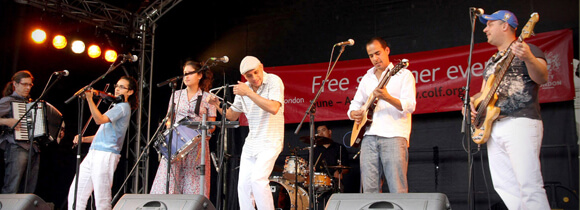
For three weeks each midsummer, the Festival animates the unique buildings and outdoor spaces of the City with an extensive artistic programme ranging across many kinds of music, visual arts, film, walks and talks: more than 50 ticketed performances and over 100 free events outdoors. In recent years its international character has been reinforced in its ongoing ‘Trading Places’ theme, linking the City culturally and commercially with its historic partners overseas.
The Festival also delivers a year-round programme of arts projects in schools and community groups in the City of London and its surrounding boroughs. The creative energies of the education programme’s participants generate a unique element of the Festival season: projects culminate in public performances and exhibitions during the Festival each summer.
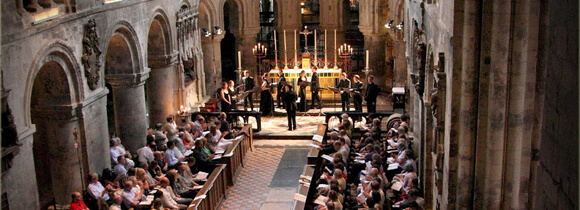
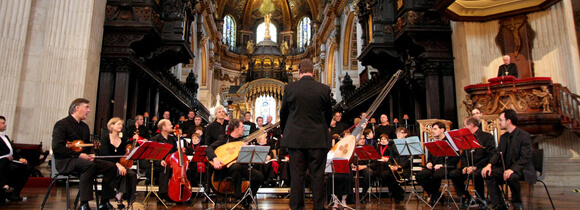
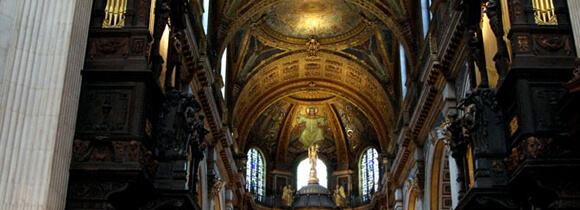
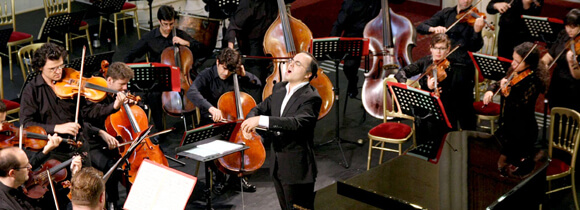
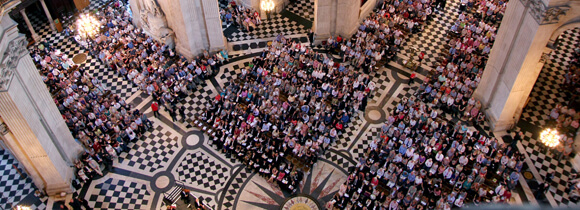
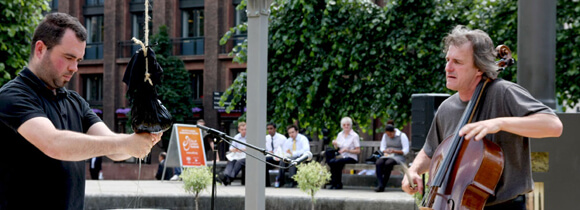
Festival performances range from large-scale orchestral concerts in St Paul’s Cathedral to intimate chamber recitals in the City’s beautiful but hidden livery halls, and from innovative aerial acrobatics to jazz bands in the Guildhall Yard. The Festival is proud of its commitment to commissioning and programming new work alongside more well-known repertoire, and of promoting new and emerging artists as well as renowned international performers.
City of London Festival policies and procedures
The City of London Festival is run by the registered charity, The City Arts Trust Limited. The City Arts Trust Limited is an honest and ethical company, with policies in place to ensure good governance.
Vision
The City of London Festival was founded in 1962 as an independent trust supported equally by the business community, the City of London Corporation, and the general public, to revitalise the cultural life of the City. Since then, it has become established as one of the UK’s leading art events, widely broadcast by the BBC and much written about in the press.
For three weeks each midsummer, the Festival animates the unique buildings and outdoor spaces of the City with an extensive artistic programme ranging across many kinds of music, visual arts, film, walks and talks: more than 50 ticketed performances and a further 100 free events outdoors. In recent years its international character has been reinforced in its ongoing ‘Trading Places’ theme, linking the City culturally and commercially with its historic partners overseas.
The Festival also delivers a year-round programme of arts projects in schools and community groups in the City of London and its surrounding boroughs. The creative energies of the education programme’s participants generate a unique element of the Festival season: projects culminate in public performances and exhibitions during the Festival each summer.
Festival performances range from large-scale orchestral concerts in St Paul’s Cathedral to intimate chamber recitals in the City’s beautiful but hidden livery halls, and from innovative aerial acrobatics to jazz bands in the Guildhall Yard. The Festival is proud of its commitment to commissioning and programming new work alongside more well-known repertoire and promoting new and emerging artists as well as renowned international performers.
The Festival exists to entertain and refresh the City’s workers, residents, and visitors with special events and world-class artists in beautiful surroundings.
Festival Themes
In 2010 the City of London Festival will resonate with the distinctive sounds of music from the Portuguese-speaking world, get the Square Mile buzzing with bees and beehives, and celebrate Chopin’s 200th birthday.
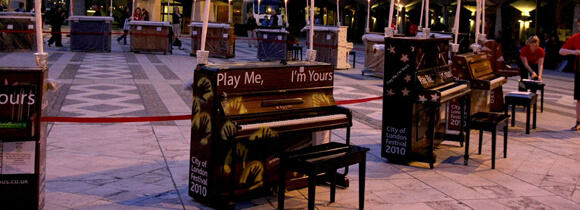
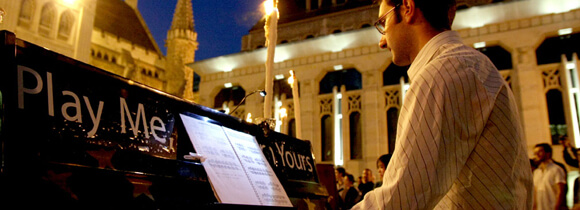
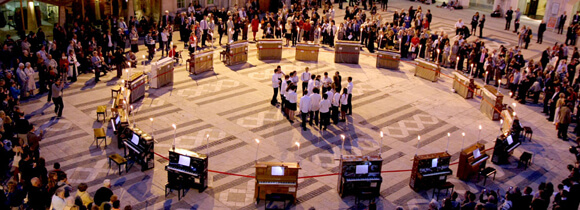
The 2010 Festival opens in the Guildhall Old Library on 21 June with the Portuguese Chamber Orchestra making its UK debut and virtuoso Brazilian pianist Cristina Ortiz as soloist in Chopin’s Piano Concerto No 2. This is to be followed by an outdoor performance in Guildhall Yard, specially designed by Luke Jerram: 21 young pianists will play a newly commissioned work for 21 upright pianos by Richard Causton, drawing on all 21 of Chopin’s Nocturnes. (Chopin himself had made his final public appearance as a pianist in Guildhall more than 150 years ago). The pianos will then be dispersed throughout the City: Street Pianos, back by popular demand, and available for all to play throughout the three Festival weeks.
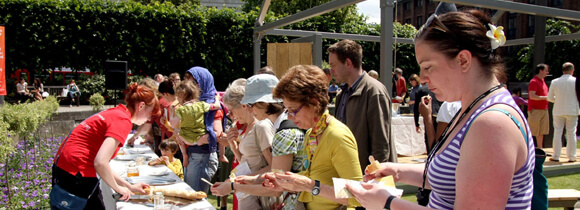
The Festival will also ‘commission’ new honey through the installation of several beehives throughout the City. As part of the International Year of Biodiversity in 2010, bee-related events will include newly commissioned poetry and music, tastings, seminars and a lecture by the Bishop of London.
Among other artists confirmed for the Festival’s music programme are the London Symphony Orchestra and the Monteverdi Choir conducted by John Eliot Gardiner, pianist Artur Pizarro, the Gulbenkian Choir (Lisbon), soprano Patricia Rozario, cellist Antonio Meneses, A Capella Portuguesa, the Orlando Consort, Grand Union, Britten Sinfonia with pianist Joanna MacGregor, Sond’Ar-te Electric Ensemble with percussionist Pedro Carneiro, guitarist Pedro Caldeira Cabral, BBC Singers, Aurora Orchestra and many more.
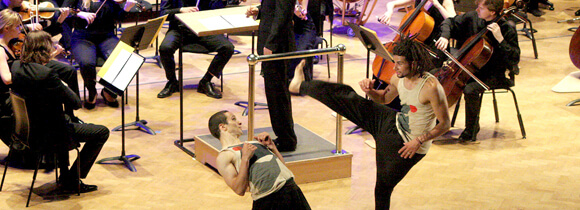
The Festival’s dance projects include a new work commissioned from the Brazilian choreographer and capoeira master, Ponciano Almeida, set against the backdrop of some of the City’s most historic and iconic places – Tower of London, Monument and Royal Exchange, and a week of performances by Deborah Colker’s company at the Barbican.

I have a record of having performed Mahler’s 8th Symphony in St Paul’s cathedral on 25th June 1995. Are you able to delve into your archive to see if this was part of the festival, perhaps the opening concert? My records show that the concert was broadcast on Classic FM, and that I was singing with the London Symphony Chorus.
Many thanks,
Clive Marks
Hi Clive,
Sorry, but we don’t have access to the archives anymore.